🦗 The Mantis of the Sella River: Patient Predator of the Riverbank
The praying mantis (Mantis religiosa) is one of the most curious and striking insects you can spot around the Sella River. It has an elongated, medium-sized body and shows clear sexual dimorphism: females are larger than males, reaching up to 7–8 cm as adults.
One of its most well-known features is its hunting posture, with front legs folded as if in prayer. But don’t be fooled: those legs are actually highly specialized grasping organs, capable of snaring prey with surprising speed.
🎯 Hunting Strategy: Motionless and Lethal
Unlike other insects, the mantis doesn’t chase its prey but remains completely still, camouflaged among leaves or stems, waiting for an insect to come close. At that moment, it strikes with its front legs at incredible speed and precision, instantly capturing its victim.
This behavior makes it an excellent natural controller of insects, benefiting the Sella River ecosystem.
🧬 Life Cycle and Reproduction
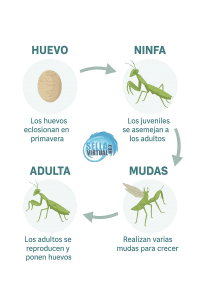
The mantis’s life cycle lasts about one year:
- In October, the female lays between 200 and 300 eggs in an ootheca—a foamy capsule that hardens and protects the embryos over winter.
- Between May and June, the eggs hatch, releasing dozens of nymphs.
- To reach adulthood, each mantis must go through 6 complete molts, a process that takes several months.
☀️ Habitat in the Sella River Basin
The praying mantis prefers open, sunny areas with low vegetation, such as:
• Embankments
• Grassy slopes
• Forest clearings
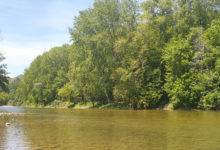
• Meadows near the Sella River
It is a diurnal insect that lives on the ground, branches, or plant stems, from where it hunts and reproduces while staying well camouflaged.
🌿 Where to Spot It?
If you walk along the banks of the Sella River between July and September, especially in sunny areas with low scrub, you might find mantises camouflaged and waiting for prey. They are discreet, but if you observe calmly, you’ll discover their surprising presence.
tag: wildlife river sella – mantis